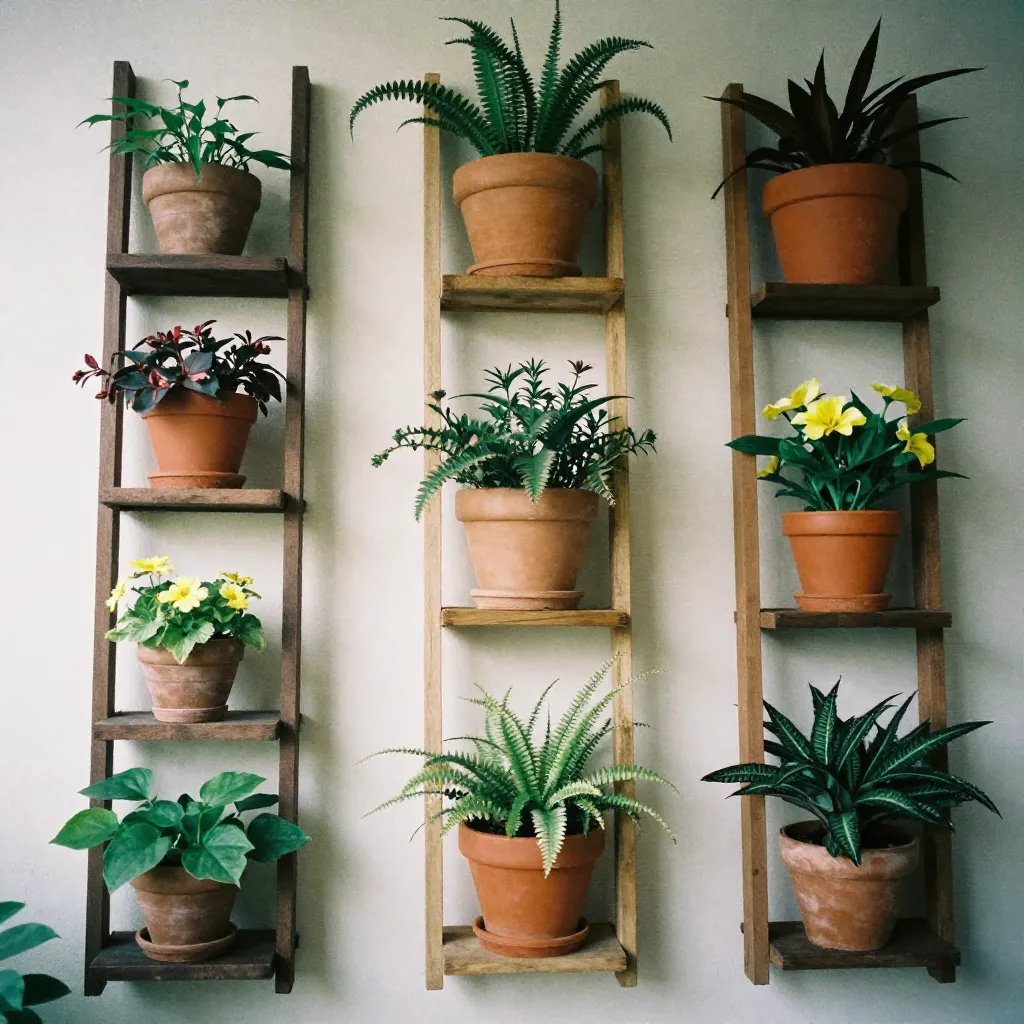
Wood Panels
Cedar Panels
Naturally resistant to moisture and decay, cedar panels provide durability and a warm aesthetic. Ideal for both indoor and outdoor vertical garden applications.
Reclaimed Wood
Give new life to reclaimed wood panels. These materials add character while reducing waste and supporting sustainable building practices.
Bamboo Panels
Fast-growing and renewable, bamboo panels offer strength and flexibility. Perfect for creating lightweight vertical garden structures.
Recycled Containers
Plastic Bottles
Transform plastic bottles into functional planters. This upcycling approach reduces waste while creating affordable vertical garden solutions.
Fabric Pockets
Repurpose fabric materials into pocket planters. These lightweight containers work well for herbs and small plants in vertical arrangements.
Metal Containers
Use repurposed metal containers for durable planters. Ensure proper drainage and consider rust-resistant coatings for longevity.
Hydroponic Systems
Nutrient Film Technique
NFT systems provide continuous nutrient flow to plant roots. These setups maximize water efficiency and are ideal for leafy greens and herbs.
Deep Water Culture
DWC systems suspend plant roots in nutrient-rich water. This method supports rapid growth and is well-suited for vertical installations.
Aeroponic Systems
Aeroponic setups mist roots with nutrient solution, providing excellent oxygenation. These systems offer efficient water usage and space optimization.
Supporting Materials
Mounting Hardware
Select appropriate mounting hardware based on your wall type and system weight. Ensure secure installation for safety and stability.
Irrigation Components
Choose irrigation systems that match your setup. Options range from simple drip systems to automated timers for consistent watering.
Growing Medium
Select growing mediums suited to your system type. Consider factors like water retention, drainage, and compatibility with your chosen plants.